
MCM Group supplies forestry mulchers and the mulcher teeth that keep them cutting — carbide, knife and swing-hammer types matched to South African land-clearing conditions — with attachments, spares and support from branches in Cape Town, George, Gauteng, and Bloemfontein.
Mulcher teeth are the replaceable cutting tools mounted on a mulcher’s rotating drum that shred trees, brush and stumps into mulch. The three main types are fixed carbide teeth, sharp knife (planer) teeth, and free-swinging hammers — and each one suits different vegetation, soil and abrasion levels.
Not sure which mulcher teeth your job needs? Contact MCM Group for expert advice and a competitive quote.
Why the Right Mulcher Teeth Matter
The tooth is where the mulcher meets the wood. As a result, it decides almost everything about the job. Pick the wrong type, and you burn through teeth and lose productivity. You also spend more time on the grinder than in the field. In contrast, the right type clears faster, runs cooler, and costs far less to maintain.
In practice, the choice comes down to two things. First, what are you cutting? Second, what is hiding in the ground? Clean, soft wood rewards a sharp tooth that slices fast. Rocky or stony soil punishes that same tooth within hours. So a tougher carbide tip earns its keep instead.
The Main Types of Mulcher Teeth
Fixed Carbide Teeth
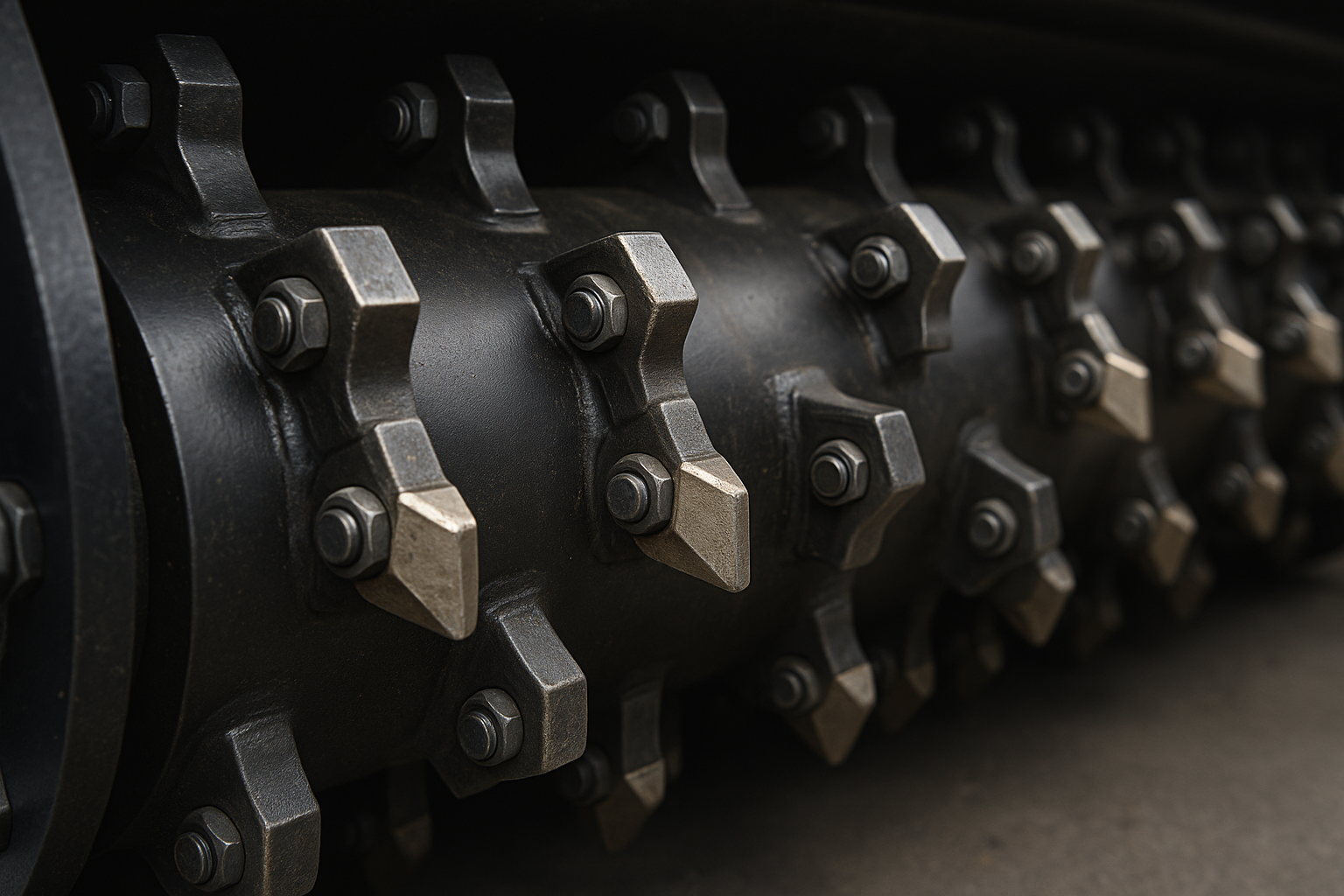
Fixed carbide teeth carry a tungsten-carbide tip bolted to a steel body. Because carbide shrugs off grit, sand and stone, these teeth suit rocky ground, stumps and abrasive soils. In practice, they cut a little slower and leave a coarser finish. Still, they hold an edge far longer and rarely need sharpening.
Knife (Planer) Teeth
Knife teeth — also called planer or blade teeth — use a sharpened steel edge. As a result, they slice through wood rather than smash it. They cut fast and leave a fine, even mulch. The trade-off is fragility. For example, hit a rock and the edge chips. So knife teeth belong on clean sites with soft, green vegetation.
Swing-Hammer (Movable) Teeth
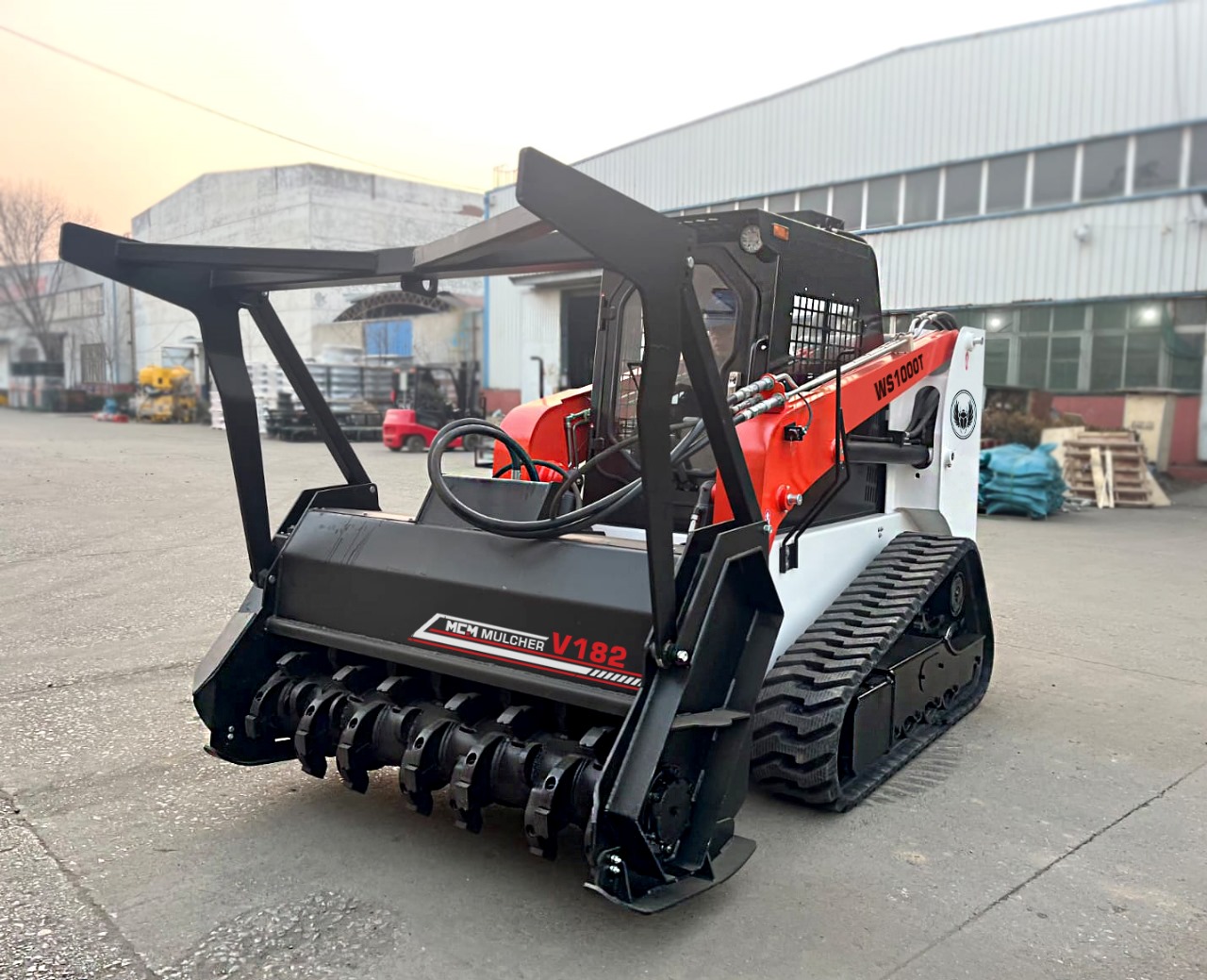
Swing hammers pivot on a pin. When they strike something hard, they swing back. That give absorbs shock. So the head survives hidden rocks and old fence posts. Naturally, operators reach for swing hammers on unknown or mixed ground. The design forgives the surprises of clearing untouched land.
Mulcher Teeth Comparison Table
| Tooth Type | Cutting Style | Wear Life | Maintenance | Best For |
|---|---|---|---|---|
| Fixed Carbide | Chips and grinds | Very long in abrasive ground | Low — no sharpening | Rocky, stony, dirty soil and stumps |
| Knife (Planer) | Slices cleanly | Short if it hits stone | Regular sharpening | Clean sites, soft green wood, fine finish |
| Swing Hammer | Smashes and flails | Good — absorbs impact | Moderate | Unknown or mixed ground with hidden obstacles |
Carbide vs Steel — Which Lasts Longer?
Carbide wins on wear life. Steel wins on cutting speed and finish. So the honest answer depends on your ground. For example, a contractor on stony ground burns through several sets of steel teeth before one carbide set wears out. On a clean plantation job, though, sharp steel knives clear more hectares per day. They also leave a tidier mulch bed.
Many operators run a mixed strategy. First, they fit carbide teeth for the rough pass through rock and stumps. Then they switch to knife teeth for the clean-up pass. As a result, each tooth type does the work it does best. In short, the cost per hectare drops.
How to Choose the Right Mulcher Teeth
- Choose fixed carbide teeth if you clear rocky, sandy or stony ground, tackle stumps, or simply cannot afford downtime for sharpening.
- Choose knife (planer) teeth if you work clean sites with soft, green vegetation and you want maximum speed and a fine mulch finish.
- Choose swing-hammer teeth if you clear unknown or mixed land where hidden rocks, wire and old posts would destroy a fixed tooth.
Tooth mounting matters too. Bolt-on holders let your team swap teeth in the field with a spanner. In contrast, weld-on systems cost less upfront but tie up the machine during a change. For busy contractors, bolt-on quick-change holders usually pay for themselves in saved hours.
Matching Teeth to Your MCM Mulcher
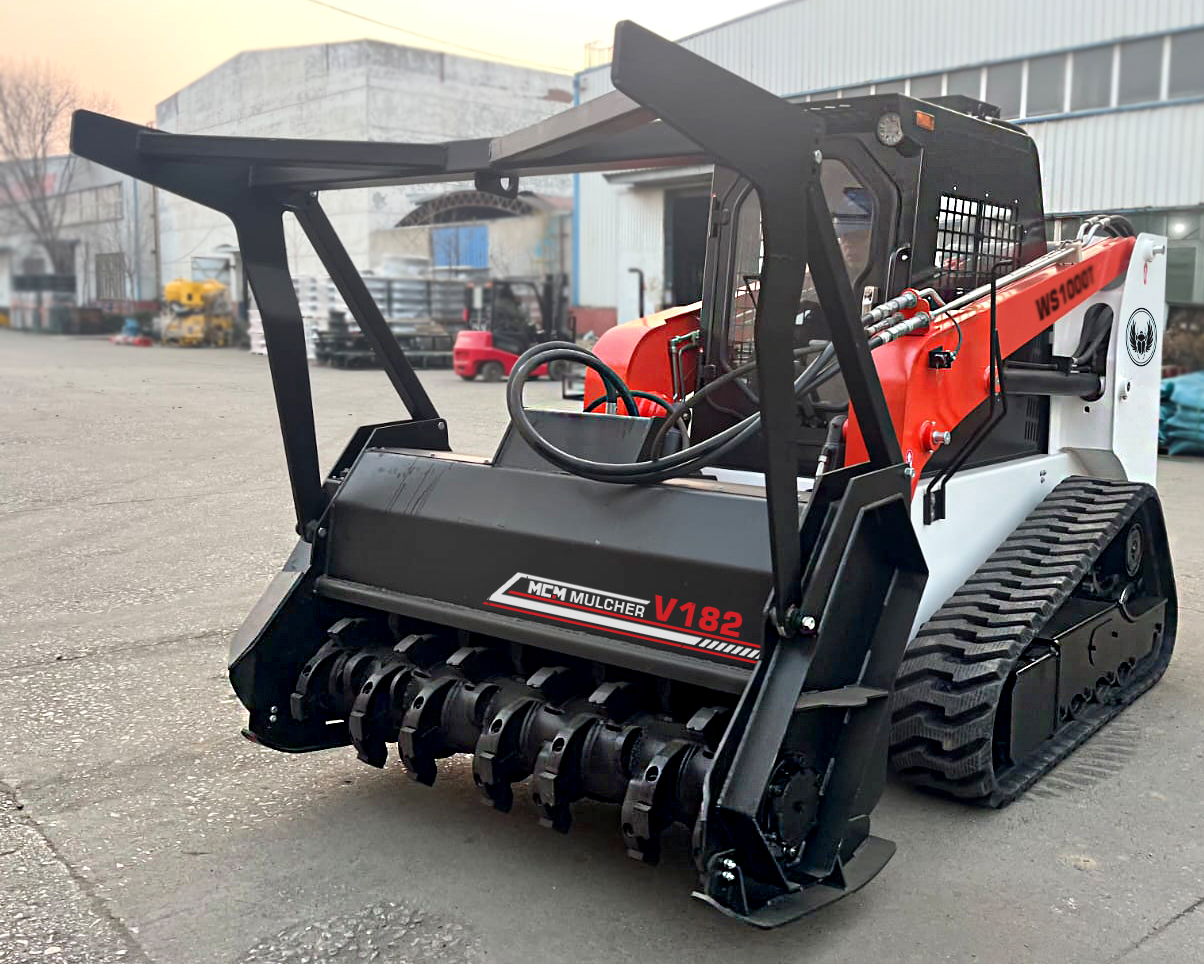
MCM Group’s drum mulcher range carries teeth sized to the drum and the host machine. The Drum Mulcher V152 suits compact carriers, while the V168 and the wider V182 handle heavier forestry work.
For rock and concrete, reach for our drum cutters. Models such as the MB-R500 and MB-R900 use carbide picks built for the hardest material.
These heads bolt onto a range of carriers. So the right base machine matters as much as the teeth. Browse our skidsteers, mini skidsteers and excavators to match flow and weight. In addition, a forestry grapple helps with stacking and feeding. You can also rent equipment for short contracts.
MCM Group has imported forestry and earthmoving attachments from approved OEM factories for years. We build them to MCM Africa’s own specifications for Southern African conditions. For independent background, the properties of tungsten carbide explain why the material resists abrasion so well.
Before You Buy — Quick Checklist
- Confirm the ground type — rocky and stony soil points to carbide, clean sites to knife teeth.
- Check the host machine’s hydraulic flow and weight against the mulcher head.
- Decide whether you need bolt-on quick-change holders for field servicing.
- Keep a spare set of teeth on the truck to avoid lost days.
- Ask about financing, delivery and operator handover options.
Frequently Asked Questions About Mulcher Teeth
What are the different types of mulcher teeth?
Are carbide or steel mulcher teeth better?
How long do mulcher teeth last?
Can I change mulcher teeth myself?
Buying, Fitment & Support
Which mulcher teeth are best for rocky ground in South Africa?
Where can I buy mulcher teeth and forestry mulchers in South Africa?
How do I choose the right mulcher for my machine?
Find Us Nationwide
MCM Group supplies forestry mulchers, drum cutters and spare teeth from four branches across South Africa:
- Cape Town — Kraaifontein Industria
- George — Hansmoeskraal, Garden Route
- Gauteng — Samrand Business Park, Midrand
- Bloemfontein — Bloem Showgrounds, Free State
Need help matching teeth to your job? Contact MCM Group and our team will recommend the right mulcher and tooth setup for your land-clearing work.